
Home › Jurassic World Survival › Nanotyrannus Strike Attack
Strike Attack Review
Nanotyrannus Strike Attack Jurassic World Survival Review
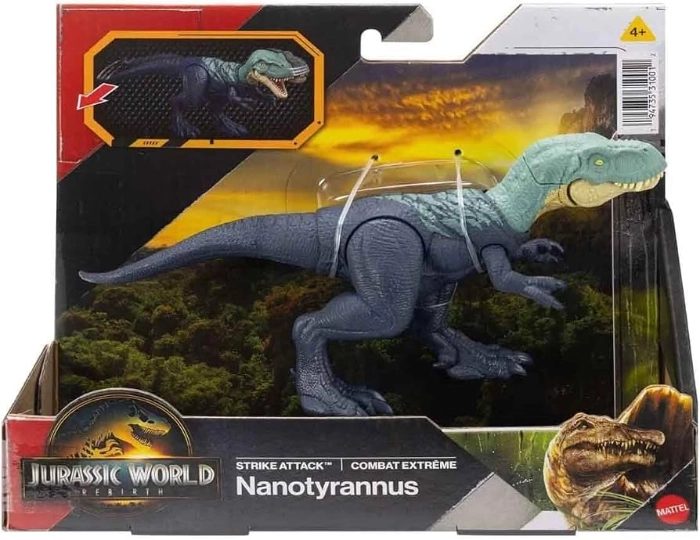
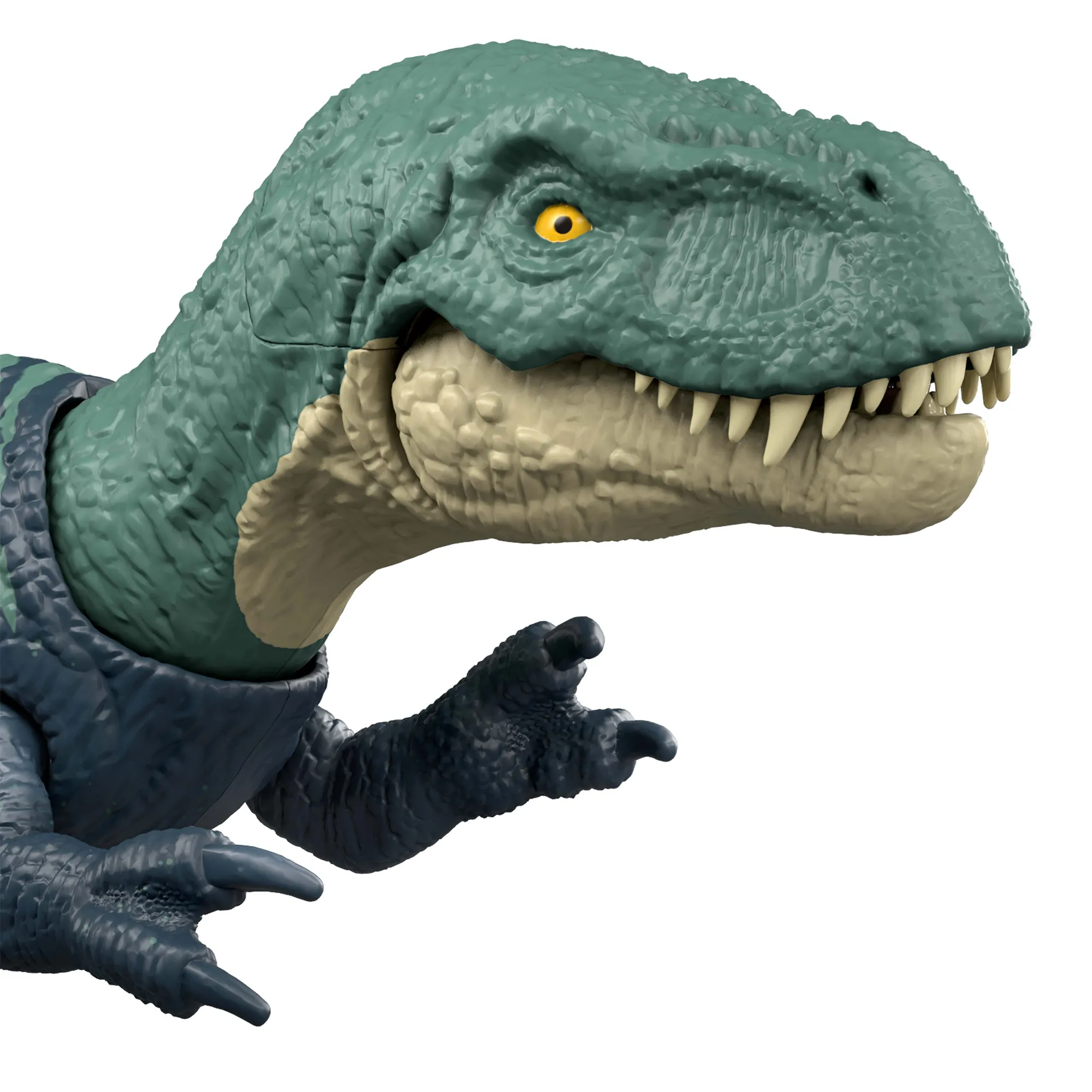
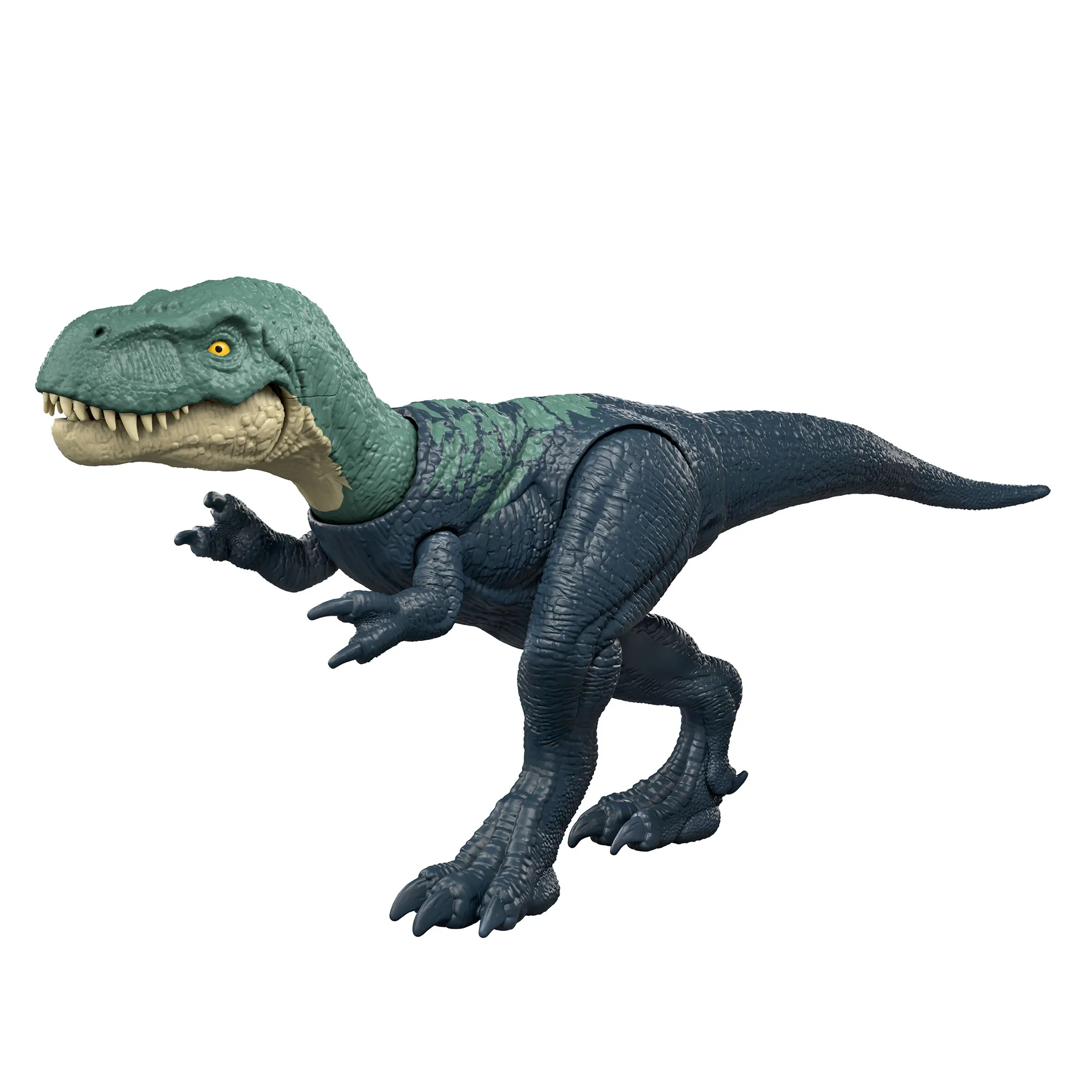
Behold the Nanotyrannus Strike Attack figure. If the name does not grab you, the paint job certainly will. This is a medium-sized figure that packs a serious punch, with a look dino fans will recognise instantly.
🎨 High-contrast Survival paint🧊 Lean, aggressive sculpt🧿 Strong posing articulationMattel · SurvivalScan code included
🎮 About the Survival Line
The Jurassic World Survival line depicts mutated versions of dinosaurs, tied to the Survival PS5 game concept. Figures in the line carry exaggerated features, unusual colouration, fins, ridges or armour compared to their historical counterparts. The Nanotyrannus leans on colour rather than anatomy for its mutation: the bold, high-contrast treatment is exactly the visual pop the Survival collection is built around.
🧬 The Nanotyrannus Debate
Few dinosaurs come with as much baggage as this one. Nanotyrannus lancensis was named in 1988 from a small tyrannosaur skull found in Montana, and for decades most paleontologists treated it as a juvenile Tyrannosaurus rex rather than a genus of its own — the skull bones of young tyrannosaurs change shape dramatically as they grow. Researchers arguing the other way point to differences in tooth count and limb proportions that they say do not fit a growing T. rex.
The debate is still live, and the figure sidesteps it entirely: Mattel gives you a lean, fast-looking small tyrannosaur and lets the Survival paint job do the talking.
Paint & Colour Scheme
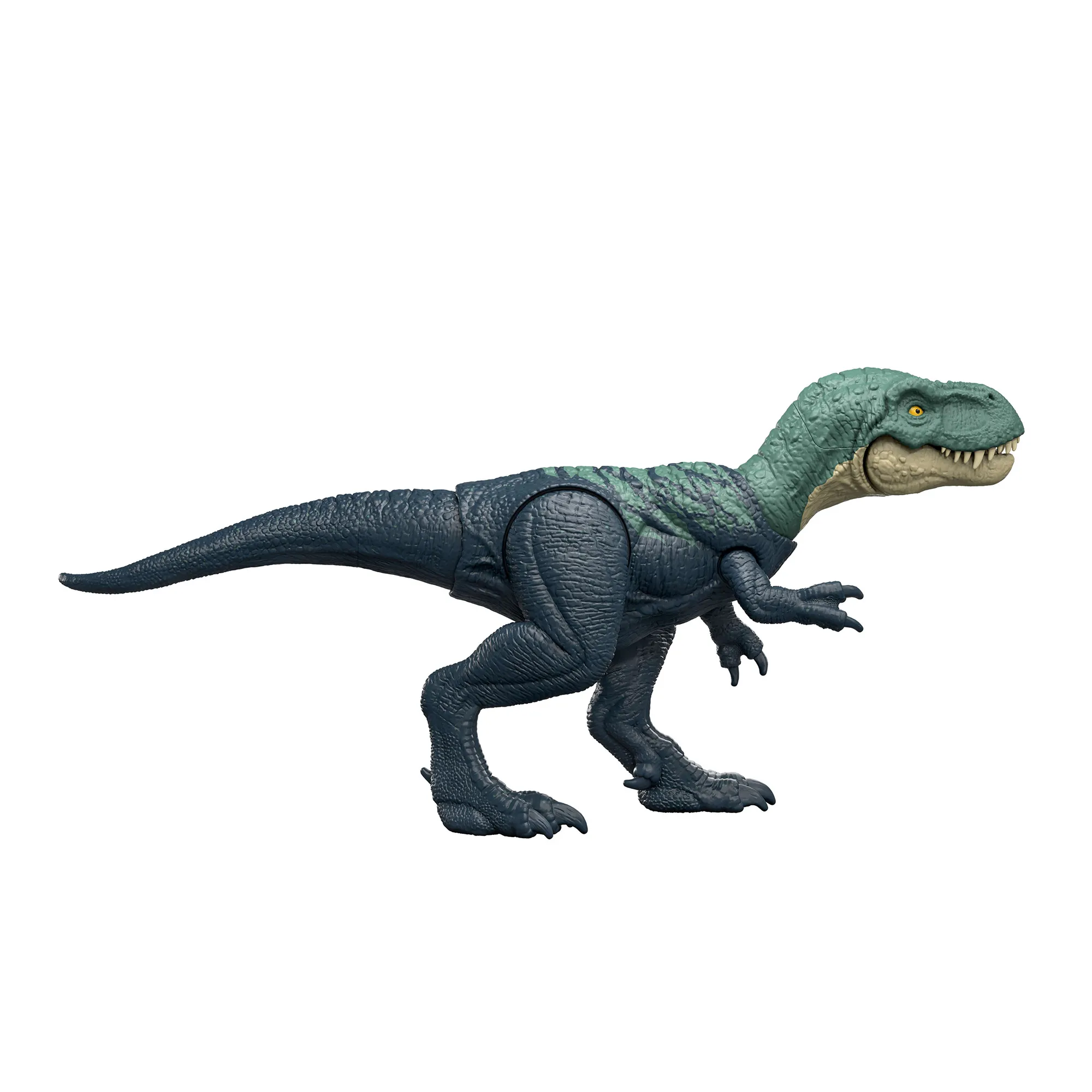
The first thing you notice about the Nanotyrannus is its striking, high-contrast design choice. While the scientific debate around this creature continues, Mattel has given it a bold Survival-line appearance that settles the question of shelf presence, if nothing else.
The figure’s base colour is dark grey, with large splashes of high-contrast colour around the head, the neck and the back of the animal. That visual pop is perfectly in line with the mutated Survival look running through the whole Jurassic World Play App collection.
Sculpt & Articulation
Lean and Aggressive
The sculpt is lean and aggressive, capturing the predatory nature of a smaller tyrannosaur rather than trying to make it look like a scaled-down T. rex. The articulation is excellent for posing the figure in dynamic attack stances, which is really the point of a Strike Attack release — it wants to be held and moved, not left standing on a shelf.
Size & Specs
Verdict
A medium-sized figure that punches above its size class. The lean, aggressive sculpt and the strong posing articulation make it genuinely fun to handle, and the dark grey base with high-contrast accents gives it a look you will pick out of a shelf immediately. If the Survival aesthetic appeals to you at all, this is one of the easier ones to recommend.
About the Nanotyrannus
Dinosaurs thought they had time too. Now they are extinct. The Nanotyrannus, however, just wanted to check if those T-Rex arms were really as useless as they looked.— InGen Veterinarian
Nanotyrannus — “dwarf tyrant” — is known from the Hell Creek and Lance formations of the western United States, at the very end of the Cretaceous. Estimates put it at roughly 5 to 6 metres (17 to 20 feet) long and somewhere between 900 and 1,500 kilograms, which makes it small only by tyrannosaur standards; it would still have been the largest predator in most other ecosystems.
What sets it apart from Tyrannosaurus rex is build rather than bulk. Where T. rex was a bone-crushing heavyweight, the Nanotyrannus material describes a narrower skull, more teeth and longer, more slender limbs — an animal built for speed and pursuit rather than raw bite force. Whether that reflects a separate genus or simply a young T. rex is exactly the argument that has kept paleontologists busy for nearly forty years.
How to Unlock
How to unlock Nanotyrannus Strike Attack in the Jurassic World Survival Collection?
Open up your Jurassic World Play App (previously known as the Jurassic World Facts App), press the Scan button and point it towards the DNA code here: