Home › Jurassic World Survival › Brachauchenius Wild Roar
Wild Roar Review
Brachauchenius Wild Roar Jurassic World Survival Review
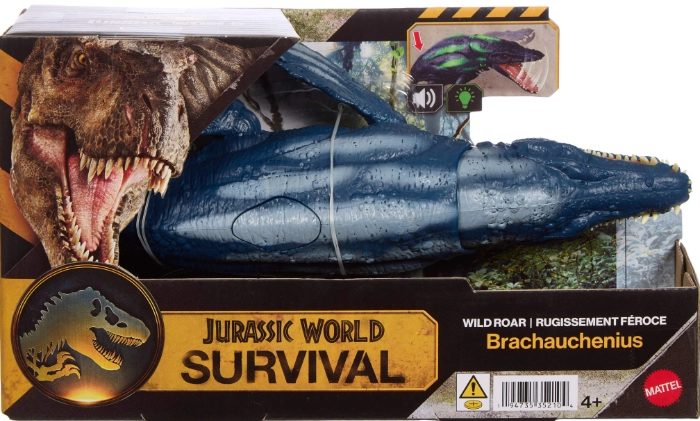
The first marine reptile in the Survival lineup, and the first Brachauchenius Mattel has ever produced. A finely textured sculpt with barnacle-crusted Survival scarring, soft kid-safe teeth, and a Wild Roar snap that fires a green glow bright enough to show up in the dark.
First Mattel BrachaucheniusFirst Survival marine reptileGreen light-up + soundsMattel · 2026Scan code included
A First for the Line
This figure is a double first: the first marine reptile in the Jurassic World Survival lineup, and the first Brachauchenius Mattel has produced for any Jurassic World line.
Marine reptiles are rare enough in the range that every new one is an event, and getting one as an obscure pliosaur rather than another Mosasaurus makes it more interesting still.
Paint & Colour Scheme
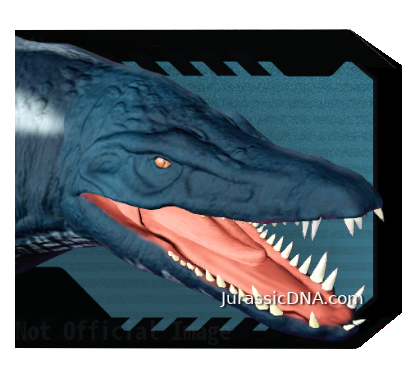
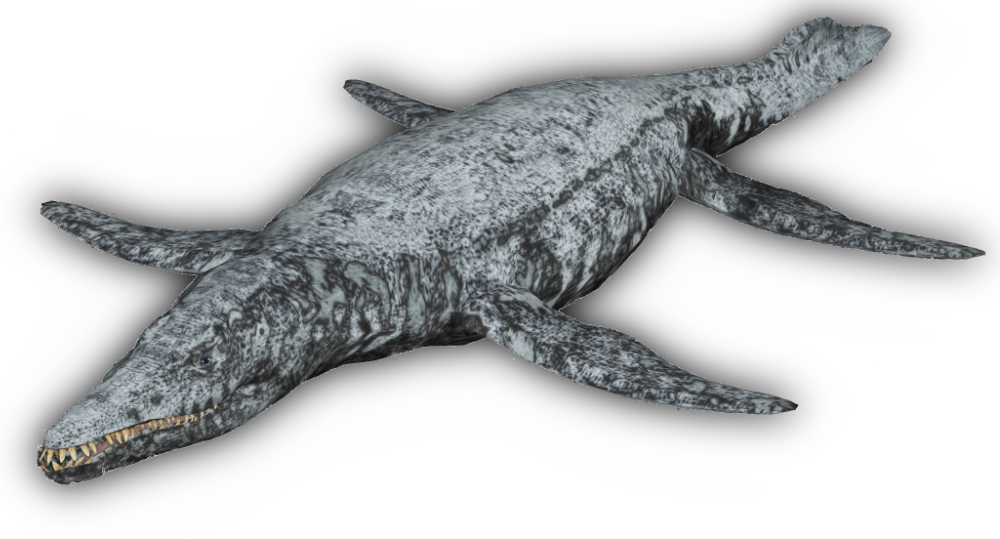
The colour scheme is restrained by Survival standards, and it works in the figure’s favour. The main body is a deep dark blue, accented by a light greyish tone across the flippers — a combination that reads as a real deep-water animal rather than a highlighter with teeth.
Sculpt & Detail
Scars and Barnacle Scales
The sculpt is fantastically detailed, with a really fine skin texture across the body. The Survival modifications show up as scars and as large, rocky barnacle-looking scales running along the back — which is a smart way to mutate a marine animal, because encrusting growth on an old sea reptile is exactly what you would expect anyway. It makes the figure a believable fit for the rugged aquatic side of the theme rather than an obvious bolt-on.
The Teeth
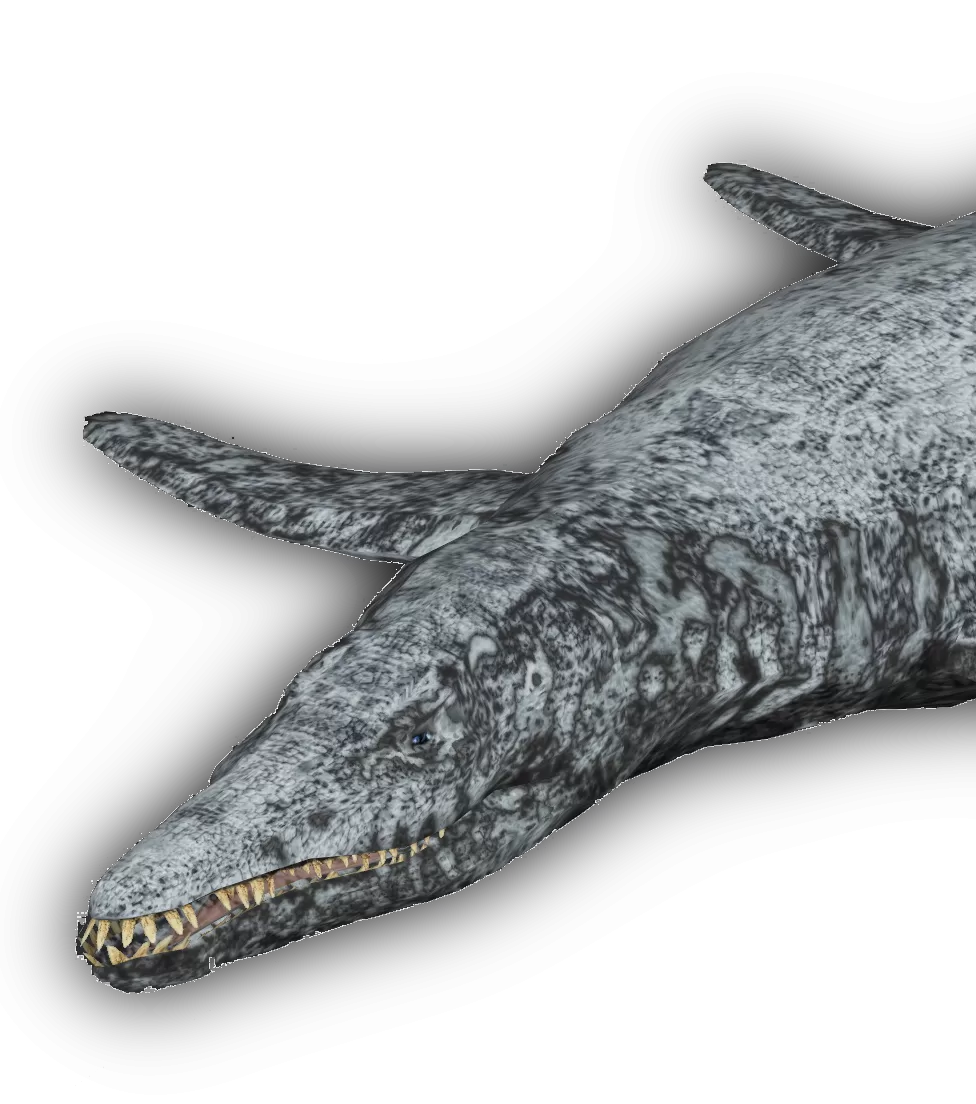
The teeth look genuinely sharp — long, conical and crowded, the way a pliosaur’s should be — while actually being moulded in the softer rubbery material, so they are entirely kid-safe. It is the combination Mattel has been getting right across the newer lines.
Wild Roar Features
✓ Snapping action — neck + jaw✓ Two triggers — back button or neck✓ New, unique sound effects✓ Green light-up, strong in the dark
The Wild Roar gimmick can be fired two ways: a button on the back, or simply by pressing the neck of the figure. Either triggers the same snapping action, where the neck moves and the jaw bites down.
It comes with a set of new sound effects made for this figure rather than recycled from elsewhere in the line, plus a green light-up effect that is genuinely prominent in a dark room. Having the neck itself act as a trigger is the smart part — it means the figure bites when you grab it, which is exactly how a child will play with it.
At a Glance
Should You Buy It?
Yes, and especially if you collect marine reptiles. Mattel makes so few of them that any new one matters, and this is both the first Brachauchenius they have ever done and the first marine figure in the Survival line.
The sculpt earns it too: fine skin texture, believable barnacle-and-scar Survival detailing, and sharp-looking soft teeth. The double trigger on the snap — back button or the neck itself — is a genuinely good play design, and the green glow is strong enough to be worth turning the lights off for.
✦ What Works
- First ever Mattel Brachauchenius
- First marine reptile in the Survival line
- Fine skin texture across the whole body
- Barnacle scales that actually make sense
- Sharp-looking but soft, kid-safe teeth
- Snap fires from the back button or the neck
- New sounds, not recycled from the line
- Green glow is strong in the dark
✦ What Doesn't
- Only two colours on the whole figure
- One action feature, nothing beyond the snap
- An obscure species most buyers won't know
About the Brachauchenius
“No, no, you’re thinking of the other ones. See, the long-neck-small-head models are Plesiosaurs. This is a Pliosaur. We… may have overcompensated on the head-to-neck ratio with this one. We call it the Brachauchenius. Just… watch your hands. And your boat.”
— Jurassic World Marine Biologist
Brachauchenius — the name means “short neck” and is said bra-kay-OO-ken-ee-us — was a large pliosaur from the Late Cretaceous of North America, swimming the Western Interior Seaway around 94 to 93 million years ago. Its fossils come mostly from Kansas, from the same chalk that produced Pteranodon.
The quote above has the taxonomy right. Plesiosaurs are the long-necked, small-headed ones; pliosaurs went the other way entirely, trading neck length for an enormous head and jaws. Brachauchenius is one of the more extreme examples, which is exactly what the name records. At roughly 6 to 9 metres (20 to 30 feet) long and 2,000 to 4,000 kg (4,400 to 8,800 pounds), it was an apex predator of its sea, hunting fish, sharks and other marine reptiles. It was also one of the last pliosaurs — the group disappeared not long after.
How to Unlock Brachauchenius
How do you unlock Brachauchenius in the Jurassic World Survival collection?
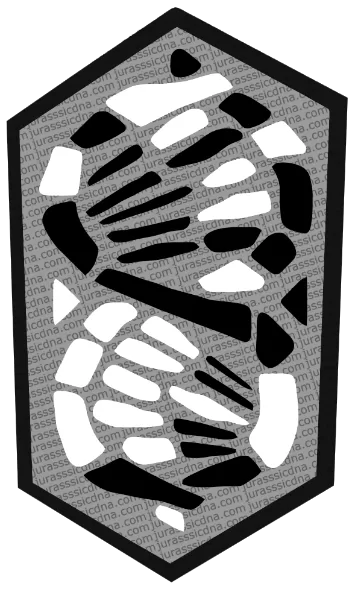
Open your Jurassic World Play App (previously the Jurassic World Facts App), press the Scan button and point it at the DNA code below.
Gallery
Frequently Asked Questions
It triggers a snapping action in which the neck moves and the jaw bites down, accompanied by new sound effects and a green light-up effect that is very prominent in the dark. It can be fired either by a button on the back or simply by pressing the figure’s neck.
Yes. It is the first Brachauchenius Mattel has produced for the Jurassic World line, and it is also the first marine reptile in the Jurassic World Survival lineup.
The main body is a dark blue, accented by a light greyish tone on the flippers. It is one of the more naturalistic colour schemes in the Survival line, and the green light-up effect is the only bright colour on the figure.
Plesiosaurs are the long-necked, small-headed marine reptiles most people picture. Pliosaurs went the opposite way: short neck, enormous head and jaws, built for speed and ambush. Brachauchenius is an extreme example, which is what its name — “short neck” — records.
Open the Jurassic World Play App, tap the Scan button, and point it at the DNA barcode on the figure or at the code shown on this page.