
Review
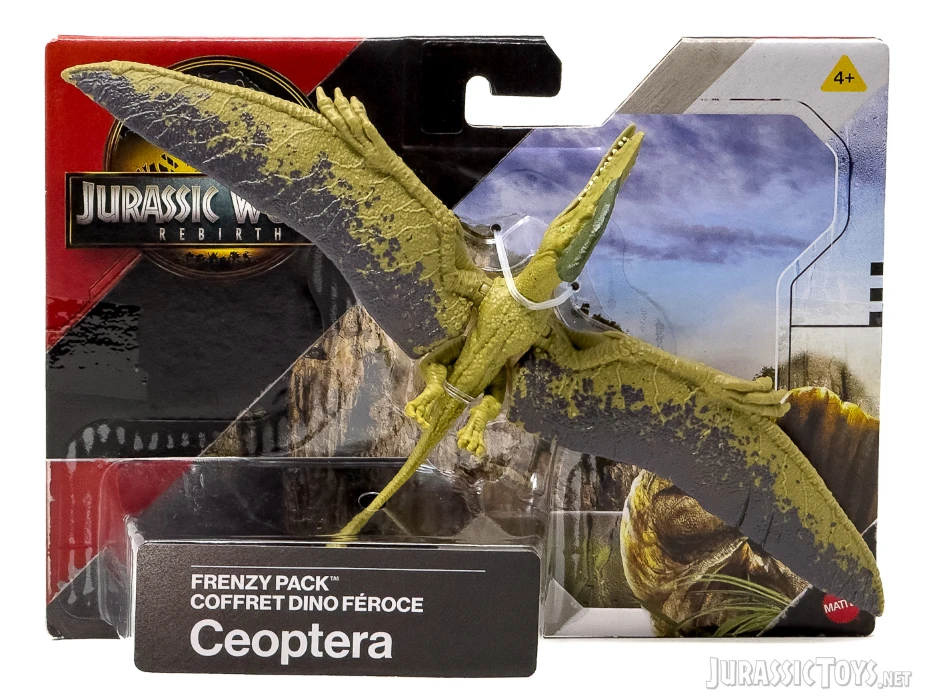
Ceoptera Jurassic World Rebirth Frenzy Pack Review
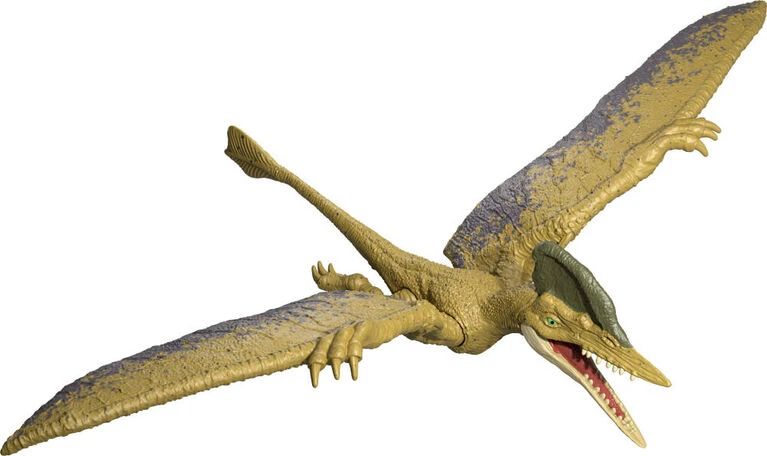
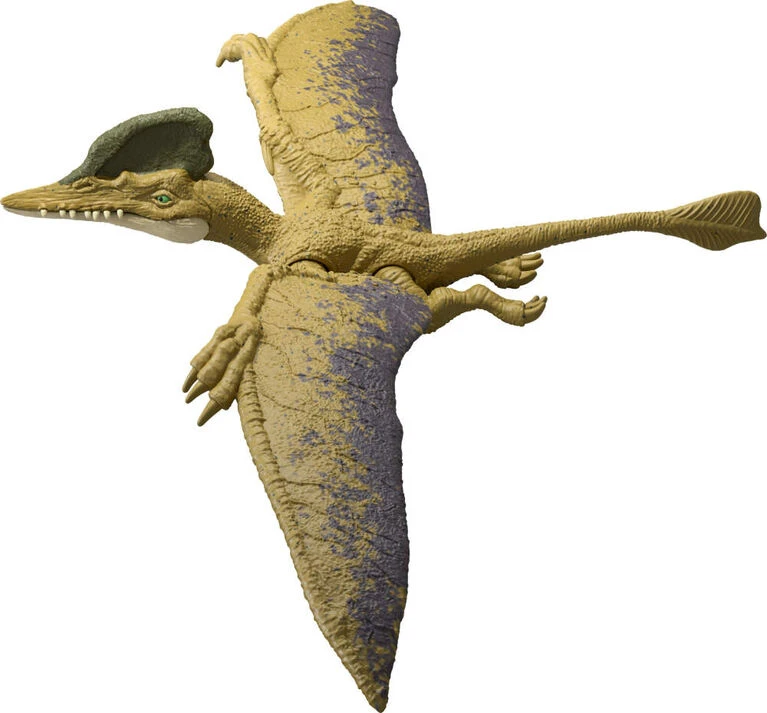
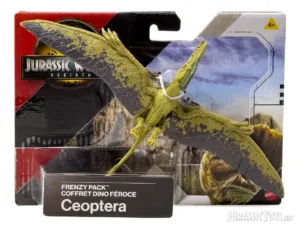
The Frenzy Packs are always hit and miss. They usually look decent but their paint is a mess and Ceoptera is no exception. A light green body with a darker green crest, dark patterning here and there. Add in what may be the most textured pterosaur skin Mattel has produced in this scale, plus small tears in the wing membrane and vein detail on the undersides, and you have a figure that earns its place as the natural must buy.
Species Choice: A Recent Discovery
Science behind the toy
Ceoptera evansae is a pterosaur from the Middle Jurassic of the United Kingdom, formally described in 2023 from specimens held in the Natural History Museum in London.
It belongs to the Darwinoptera group, a transitional clade of pterosaurs that bridges the gap between earlier long-tailed forms and the later short-tailed pterodactyloids. The name Ceoptera means hollow wing, referencing features of its wing bones, and the species name honors Sue Evans of the University of Edinburgh for her contributions to pterosaur research.
The fact that Mattel produced a figure of an animal described just two years before this toy’s release continues the Rebirth line’s remarkable trend of introducing genuinely obscure and recently named species into a major toy format.
About the Toy
1. Sculpt and painting
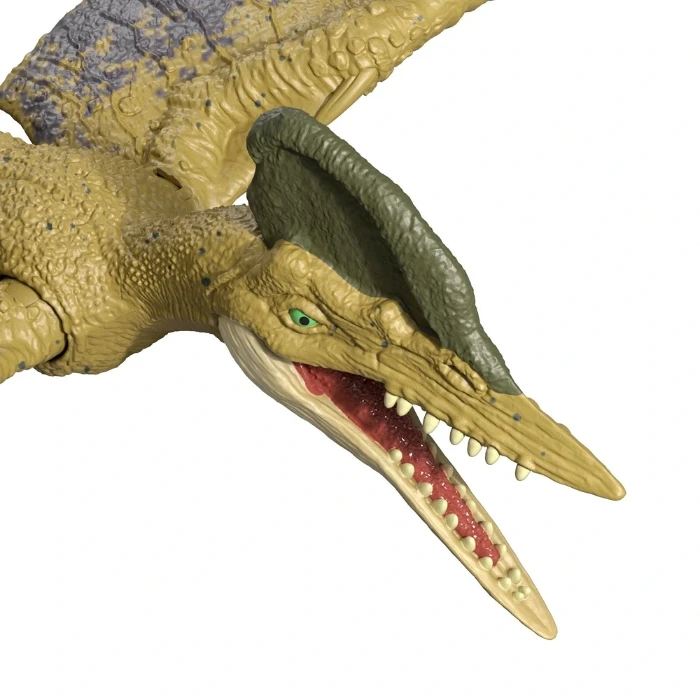
The head sculpt is clean and well detailed. The beak shows decent surface texture leading to the tip and the nostrils are clearly defined. The crest rises from the top of the skull and is painted in a darker green tone, providing a clean contrast with the lighter body. The eyes are green with black pupils as with most of the rest of the dinosaurs of the series.
The jaw articulates, though, like the Beipiaosaurus earlier in this toy line it does not close with a perfectly flush fit, sitting slightly open at rest. Inside the mouth, the tongue is sculpted, and the teeth are painted in an off-white tone that works reasonably well, with the caveat that tight tolerances on the paint application mean some copies may show slight sloppiness around the tooth line.
The body skin on the Ceoptera is loaded with small osteoderms and bumpy scales, making it the most heavily textured pterosaur skin Mattel has produced at this scale. The entire upper surface has a consistently bumpy, rough character with the spinal column visible as a subtle ridge running the length of the back. There are no pycnofibers or feather-like structures; this is a purely scaled treatment throughout.
The wings are where the Ceoptera should earn most of its praise. The membrane texture on the upper surface is heavily worked with the same bumpy osteoderm character as the body, giving it a rough and organic quality that feels more substantial than most pterosaur wing membranes in this format. The underside reveals vein detail running through the membrane, which is a level of anatomical specificity rarely seen at this scale and price point. The dark patterning on the lower wing surfaces is the most successful paint detail on the figure, bleeding naturally upward from the outer edges in a way that catches light and adds visual depth.
And since the devil is in the details, there are also small tears in the wing membrane here and there, a minor realism touch that elevates the figure beyond what its format usually demands.
2. Action Feature & Articulation
Wing articulation is standard for the format: the wings move up and down and can swivel. The legs articulate together rather than independently, which limits posing options somewhat, but does allow a convincing flying position with wings raised and legs drawn back, or a landed stance with wings lowered and legs dropped down.
There is no neck articulation present despite the appearance of a seam in that area. The wings and legs provide the primary display variety. The linked leg articulation means flying, and landing are the two available poses rather than a full range of independent positions, which is a format-level limitation rather than a specific criticism of this figure.
- Lower jaw (articulated)
- Wings (up, down, swivel)
- Legs (together, forward and back)
- Tail (flexible, no swivel joint)
Verdict Should I buy it?
Absolutely. The Ceoptera is the natural highlight of Rebirth Frenzy line and a strong pterosaur figure in its own right. The wing vein detail, the dark patterning on the lower membrane, the small tears, and the heavily textured body skin all push this figure above the format average.
It is a recently described species most collectors will not have owned in any form before, and Mattel has given it a figure that does it genuine justice. Unpainted claws and a jaw that sits slightly open at rest are the only meaningful complaints. A very easy recommendation.
How to unlock
How to unlock Ceoptera in Jurassic World Rebirth Collection?
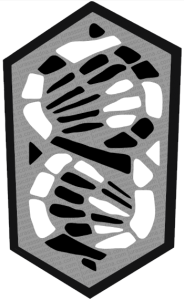
Open up your Jurassic World Play App (previously known as the Jurassic World Facts App), press the Scan button and point it towards the DNA code here:
3. About the Ceoptera
Ceoptera evansae was formally described in 2023 by Paul Barrett, Lorna Steel, and colleagues from specimens held in the collections of the Natural History Museum in London. The fossils originate from the Stonesfield Slate of Oxfordshire, England, a geological formation that has yielded significant Middle Jurassic material including early mammals and other vertebrates. Ceoptera lived approximately 166 million years ago, during the Bathonian stage of the Middle Jurassic.
Ceoptera is classified within Darwinoptera, a transitional pterosaur group that shares features with both the earlier, more primitive rhamphorhynchoids and the later, more advanced pterodactyloids. Darwinopteran pterosaurs are of particular interest to paleontologists because they represent an intermediate evolutionary stage, combining a pterodactyloid-style head and neck with a more primitive body and tail. Ceoptera itself adds important data to understanding how this transitional group was distributed geographically during the Middle Jurassic, with its UK origin providing a European counterpart to the Chinese specimens that dominate the darwinopteran record.
The pronunciation should be see-OP-ter-ah. The name derives from Greek, meaning hollow wing, a reference to features of the wing bones.
Ceoptera is a pterosaur, not a dinosaur. Pterosaurs are flying reptiles that were closely related to dinosaurs but form their own distinct group. Ceoptera belongs to the Darwinoptera clade, a transitional group that lived during the Middle Jurassic and shares features with both the earlier long-tailed pterosaurs and the later short-tailed pterodactyloids.
Ceoptera evansae was formally described in 2023, making it one of the most recently named pterosaurs to receive a Mattel toy figure. The fossils were found in the Stonesfield Slate of Oxfordshire, England, and had been held in the Natural History Museum in London prior to formal description.
The Ceoptera has an articulated lower jaw, wings that move up and down and can swivel, and legs that articulate together forward and back, allowing a flying pose with legs back or a landed stance with legs down. There is no neck articulation despite the presence of a visible seam in that area. The tail is flexible but has no swivel joint.
The Ceoptera is slightly larger than some of the earlier frenzy pack pterosaurs, with a wingspan of around 9.75 inches. Its skin texture is notably more heavily worked than most Mattel pterosaurs at this scale, and the vein detail on the wing undersides plus the small wing tears set it apart visually. It has been called the most textured pterosaur Mattel has produced in this format.