
Tapejara
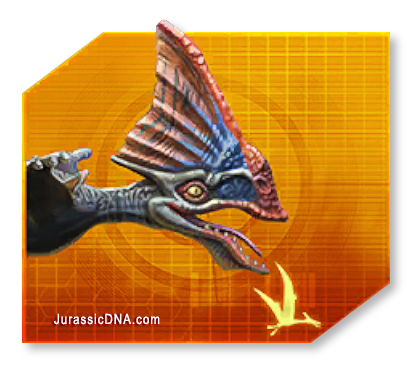
“What’s a show without fireworks? That’s what this next animal gives us: aerial color and excitement! And check out that sail behind its head! Spectacular! Oh, what I meant to say was, this is a Tapejara, one of our more interesting flying species. If you haven’t guessed by now, I’m a fan. I think you […]
Styracosaurus
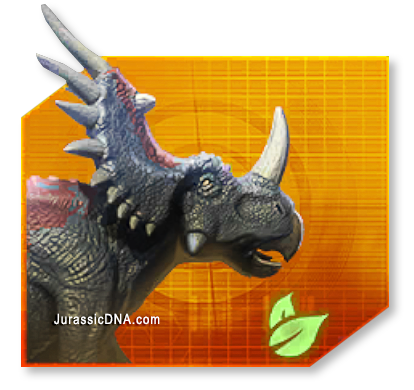
“This dinosaur, the Styracosaurus, has huge horns and a large spike similar to a rhinoceros. It also has the personality to match, It’s a herbivore, and uses those horns and a beak to break into even the toughest of plants.”—Owen Grady Styracosaurus is a relative of the Triceratops. It lived about 10 million years before […]
Stygimoloch
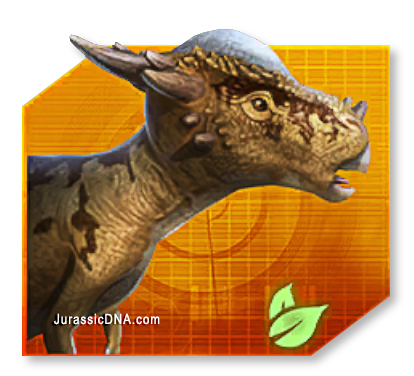
“This is the Stygimoloch, and it is one of hard-headed dinosaur. It has an armored dome crowed by horns. Despite this, it’s social and a relatively docile animal… unless threatened. Then, steer well clear of it. This dinosaur can do a number on its enclosures, and bash its way through any number of obstacles. Take […]
Siats Meekerorum
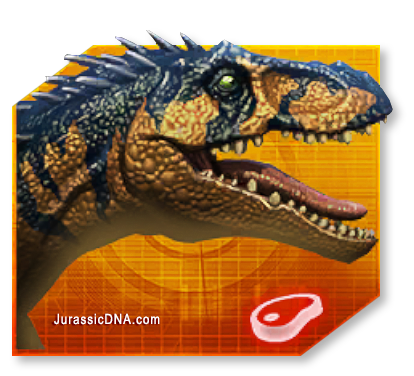
“Siats” can also mean a man-eating monster in the Ute mythology.”— Wikipedia Siats meekerorum, meaning Man-Eating Monster, was the apex predator of the Cenomanian Stage. It was named after a man eating monster and the Meeker family, who are museum donors. Holotype specimen is found in Utah, Cedar Mountain formation (Mussentuchit Member), which also gave […]
Scutosaurus
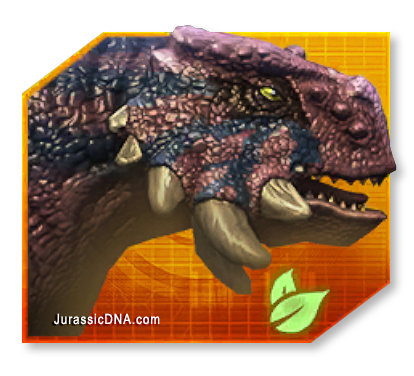
“Imagine a tortoise without a shell, on steroids. This is the Scutosaurus.”—Maisie Lockwood Scutosaurus was a genus of armor-covered pareiasaur that lived around 252-248 million years ago in Russia, in the late Permian period. Its genus name refers to large plates of armor scattered across its body. It was a large anapsid reptile that, unlike […]
Sauropelta
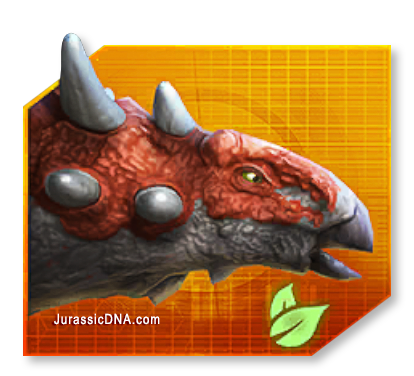
“No no, it looks similar but it is not the same. Repeat after me pro-toe-ker-ah-tops.”—Annoying teacher in school Sauropelta is just like its name, a lizard with shields all over the top of its body. It had very hard, bony plates called scutes that covered most of its back and tail. The scutes on its […]
Sarcosuchus
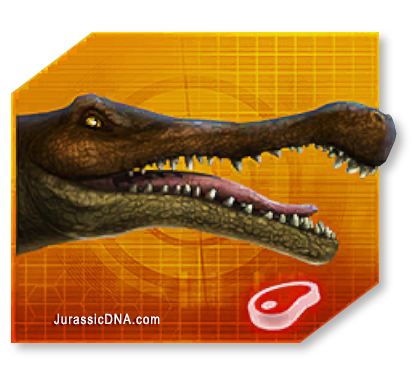
“The crocodile cannot turn its head. Like all science, it must always go forward with all-devouring jaws.”— Some poetic professor Sarcosuchus is an extinct genus of crocodyliform and distant relative of living crocodilians that lived during the Early Cretaceous, from the late Hauterivian to the early Albian, 133 to 112 million years ago of what is […]
Rhamphorhynchus
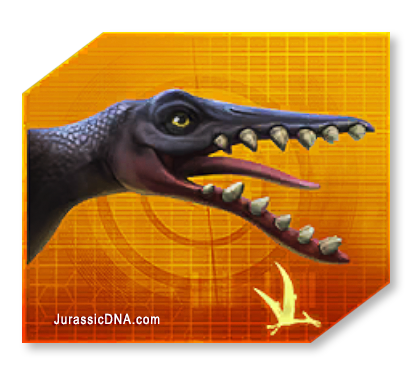
“If it has a pointy beak and it is a big as a plane it is Pteranodon. If it is smaller and it tiny teeth in its beak then it is Rahmphorhynchus. Remember that you little Jurassic geek.”— Cabot Finch Rhamphorhynchus is a genus of long-tailed pterosaurs from the Late Jurassic period of southern Germany. […]
Pteranodon
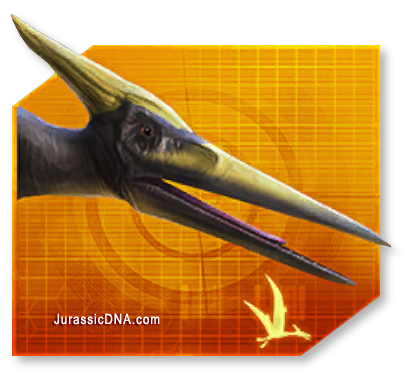
“I still have trouble believing airplanes can fly, so don’t get me started on this Pteranodon. But fly it does. Oh, and it is also known as a ‘toothless wing’. Toothless, huh? Yeah, I’m not buying that either.”— Cabot Finch Pteranodon is a large flying reptile with a wingspan measuring as long as a school […]
Protoceratops
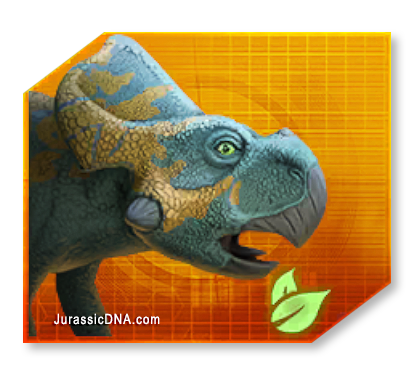
“No no, it looks similar but it is not the same. Repeat after me pro-toe-ker-ah-tops.”—Annoying teacher in school Protoceratops is the first ancestor of the famous ceratopsian family to resemble the later, more famous members such as Triceratops. Roughly the size of a sheep, it was therefore much smaller than its more famous relatives but […]